Optimizing onboarding
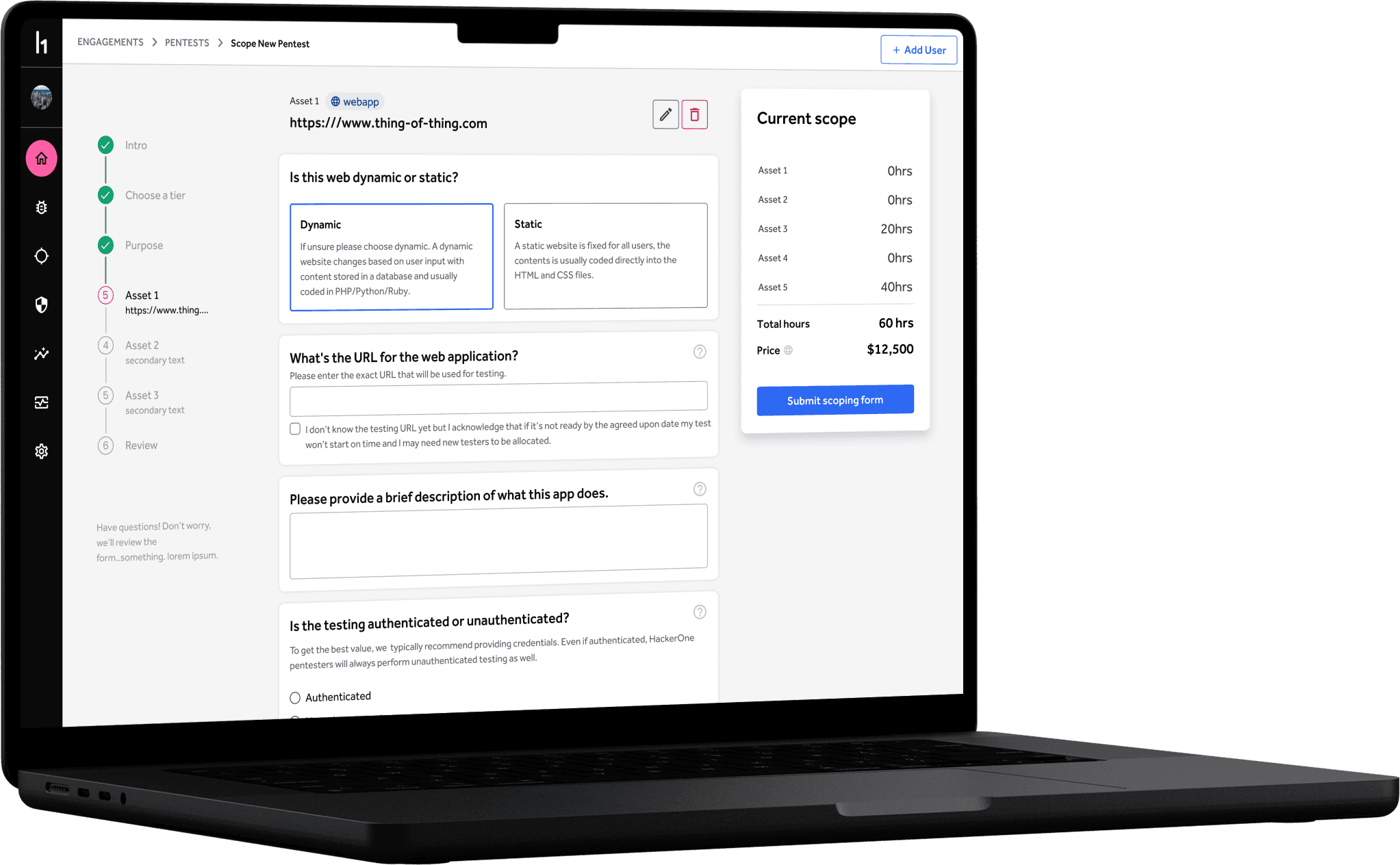
The company

  • 2 sided marketplace (D2C & Enterprise & SMB)

  • 7 products

  • 450 employees

  • 12 designers

  • 2 sided marketplace (D2C & Enterprise & SMB)

  • 7 products

  • 450 employees

  • 12 designers

My role

  • Lead designer on our fastest growing product with 1 other designer

  • Design team leader of crits and mentoring sessions for all products to create consistency across the platform

  • Lead designer of this product and simultaneously multiple platform initiatives.

  • 1 other designer on this product

  • Team leader of crits and mentoring sessions

Most proud of with this project

Constantly maintaining focus on 3 horizons at the same time - current sprint, next quarter's big feature, and the future of the product.

Constantly maintaining focus on 3 horizons at the same time - current sprint, next quarter's big feature, and the future of the product.

Here are three large projects I led to optimize onboarding for this product. We went from 0 to 1, found PMF, and pivoted.

Here are three large projects I led to optimize onboarding for this product. We went from 0 to 1, found PMF, and pivoted.

Opportunity 1 - Zero to 1

HMW operationalize & productize this service?

Our delivery as a service was landing. Now we needed to productize to increase margins. But where to start and how will we measure success?

Our delivery as a service was landing. Now we needed to productize to increase margins. But where to start and how will we measure success?

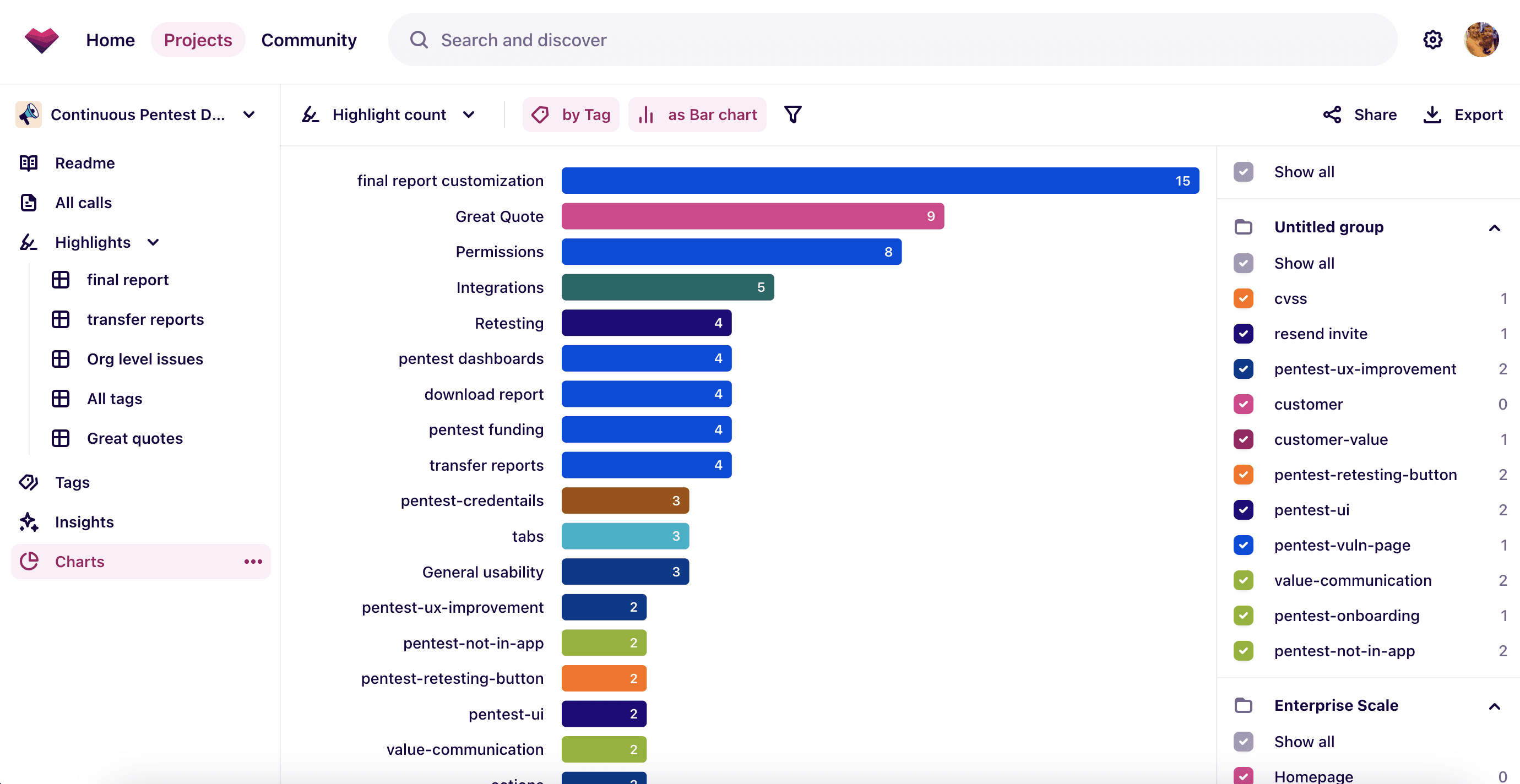
Understand the problem

Understand the problem

Before I could do anything, I needed to very quickly get up to speed on the problem and the landscape.

Goal - align on which parts of the services could be productized, and which ones had the highest ROI to productize first.

Positive externality - We cross functionally aligned on a shared vocabulary, which allowed us to speak in shorthand and led to faster decision making for the next 2 years.

Rapid alignment on the future

Rapid alignment on the future

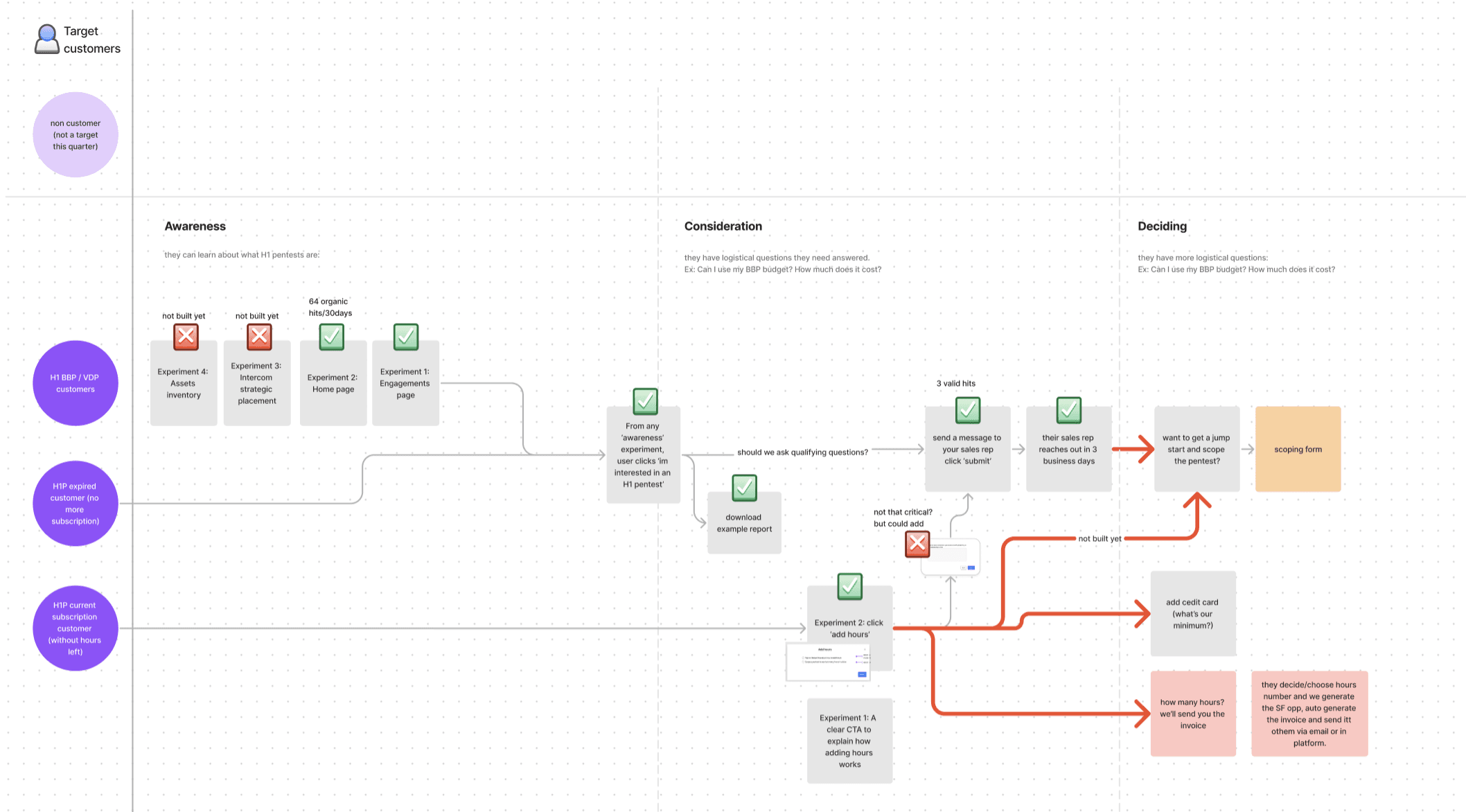
Working with stakeholders, I led workshops to make sure that we had a shared vision of the future and ideally northstars, so that anything we worked on could point in that direction.

Working with stakeholders, I led workshops to make sure that we had a shared vision of the future and ideally northstars, so that anything we worked on could point in that direction.

Step 1 - The MVP Scoping Form

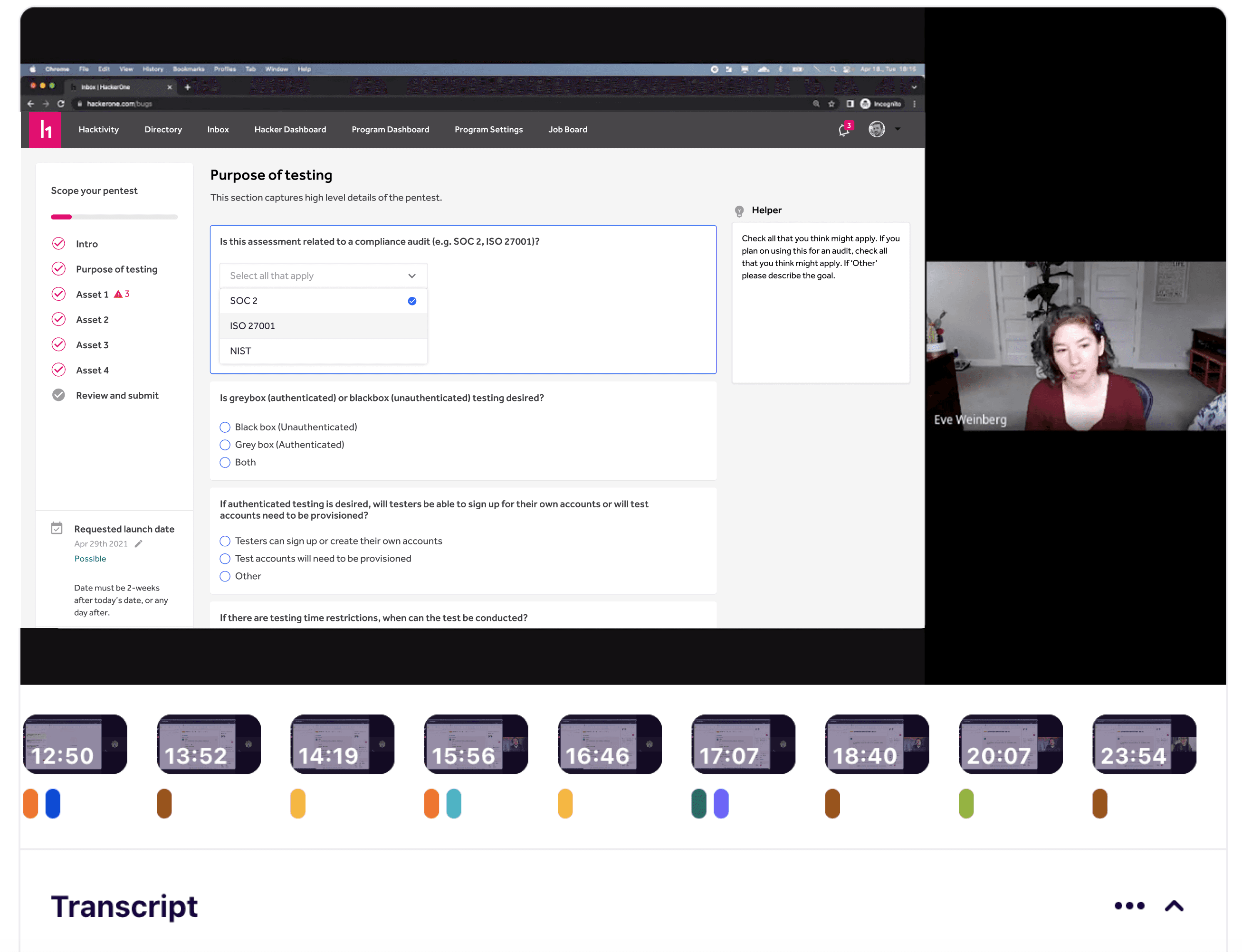
We decided to start with scoping because productizing that for a few reasons - 1) it would have downstream effects for automation, 2) customers perform this action in a somewhat standardized way, 3) the technology and UI patterns were straight forward. Basically my favorite 2x2 - impact vs effort!

We decided to start with scoping because productizing that for a few reasons - 1) it would have downstream effects for automation, 2) customers perform this action in a somewhat standardized way, 3) the technology and UI patterns were straight forward. Basically my favorite 2x2 - impact vs effort!

I quickly collaborated with the CS team to lead usability studies with SMB and Enterprise customers. Simultaneously I ran feasibility discussions with my PM and tech lead, and then scoped down features to the MVP.

I quickly collaborated with the CS team to lead usability studies with SMB and Enterprise customers. Simultaneously I ran feasibility discussions with my PM and tech lead, and then scoped down features to the MVP.

Results of the MVP

The MVP took about a month to build and QA after discovery was done. Once launched, using the data tools available to use at the time, we tracked two main KPIs:

  1. Time to complete the form - we went from no baseline, to about 2 days at first launch. We later kept iterating until it was down to 10 minutes on average.

  2. Accuracy of the answers - accuracy was not that high at first, and we had to keep chiseling away at it. We're exploring Ai helpbot as a solution now.

Using the data tools available to me at the time, we tracked two main KPIs:

  1. Time to complete the form - we went from no baseline, to about 2 days at first launch. We later kept iterating until it was down to 10 minutes on average.

  2. Accuracy of the answers - accuracy was not that high at first, and we had to keep chiseling away at it. We're exploring Ai helpbot as a solution now.

Leadership Alert!

Another positive result of this project was that I was able to encourage the company to invest in better tools. I was on the vendor procurement team for both amplitude and intercom - 2 tools that we get tremendous value out of today, that allow us to get a much more clear qual & quant picture of what users are doing.

Step 2 - Build differentiators

Listening to the market, looking at our competitors, collaborating with Sales and Marketing, we rolled out a lot of differentiators on top of the MVP scoping form.

Listening to the market, looking at our competitors, collaborating with Sales and Marketing, we rolled out a lot of differentiators on top of the MVP scoping form.

For each features below, I followed an agile methodology of understanding the problem, prioritizing and validating a solution, and iterating in a data-driven way towards needed improvements. I like to work fast and continuously deliver value.
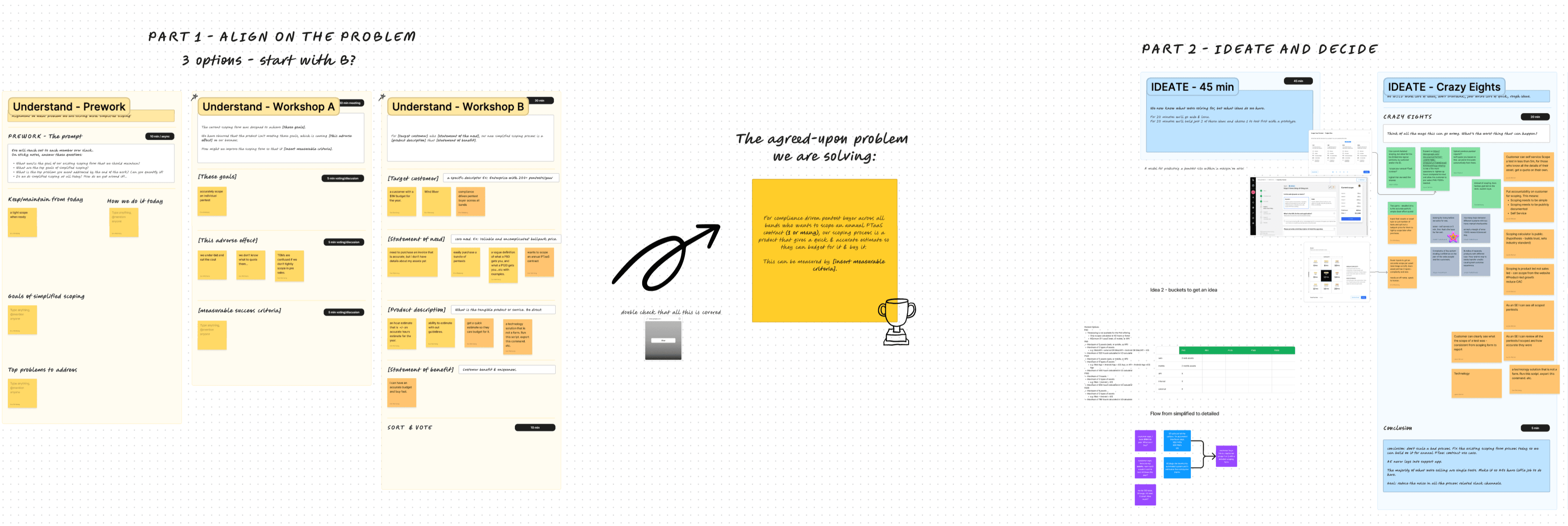
  1. Understand the problem

Deep dive as fast as possible on the real underlying problem to solve. Align with stakeholders on that problem.

  1. Validate a solution

I validate as much as possible with real end users. When I can't I follow intuition and scrape any intel online I can.
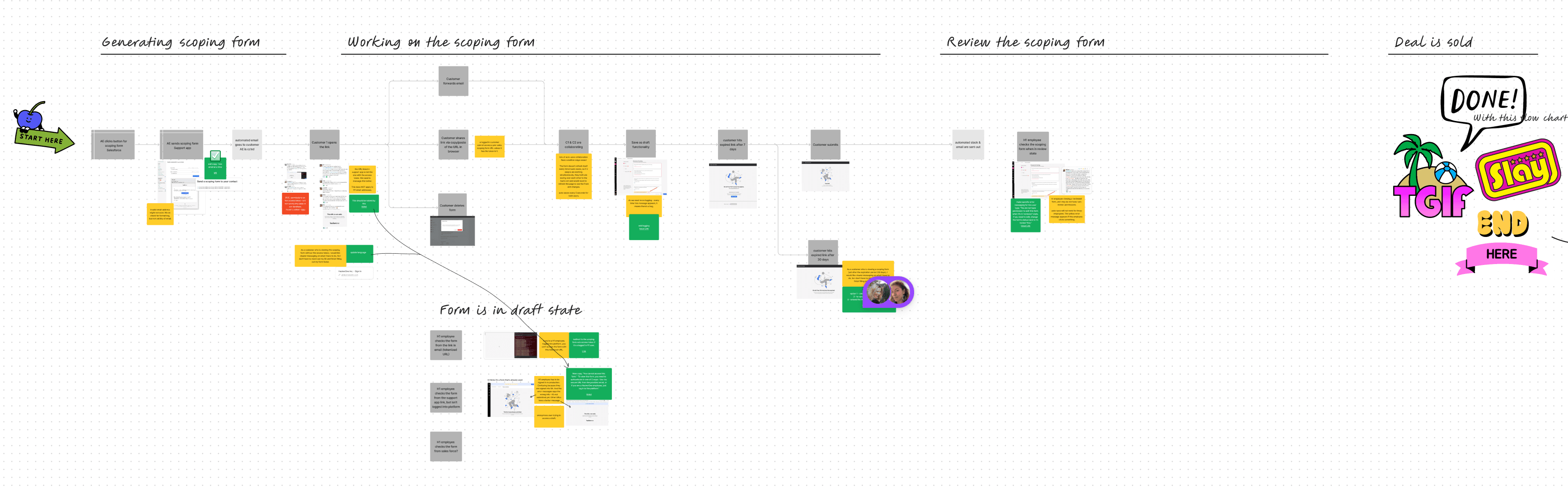
  1. Iteration Prioritization

The flow of the form was extremely complex, after years of iteration, with lots of edge cases to consider. We tightly tracked confusion, dead ends, error states, and fixed them as needed.
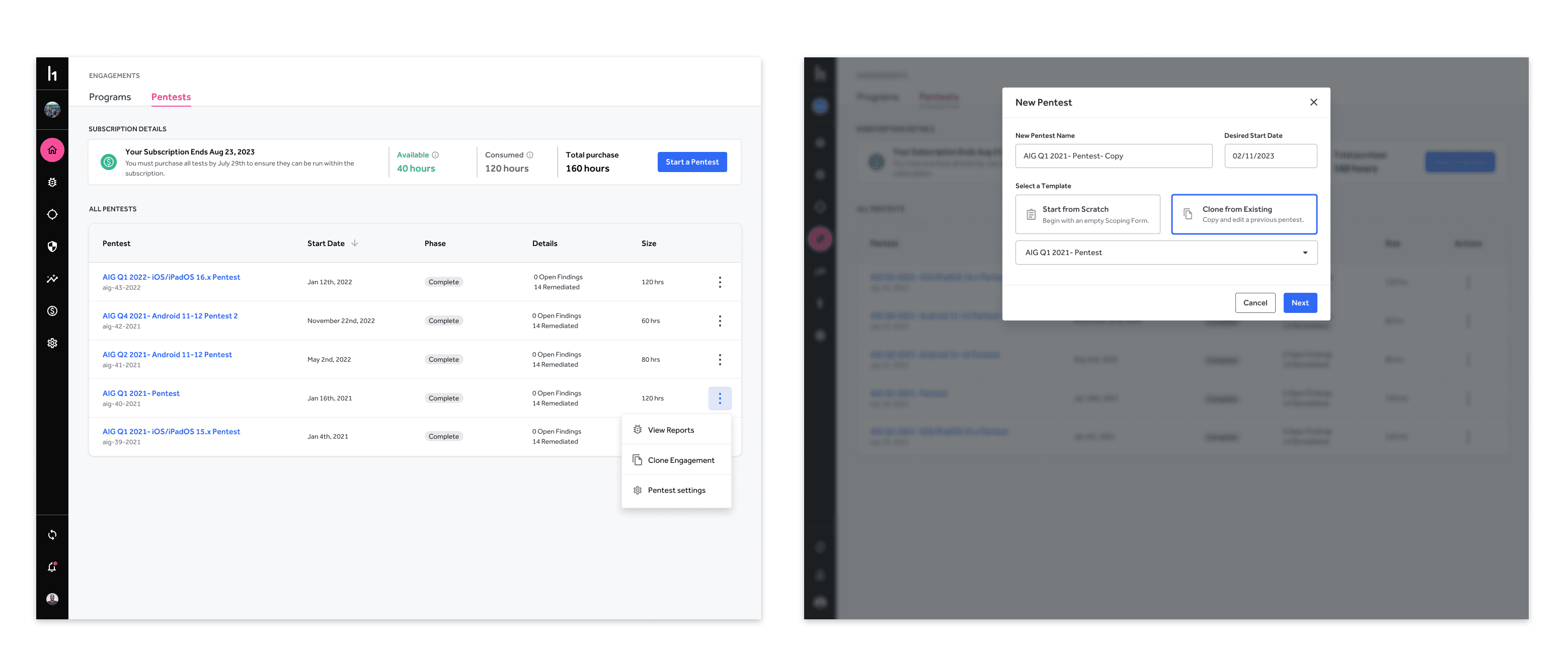
FEATURE 1

FEATURE 1

Speeding up time to value

Problem: Users wanted to scope fast, and we found that over 50% of customers were repeating the same test year over year. Solution: Cloning the forms was a huge contributor to time to value. And it became the main way to scope with existing customers!

Problem: Users wanted to scope fast, and we found that over 50% of customers were repeating the same test year over year. Solution: Cloning the forms was a huge contributor to time to value. And it became the main way to scope with existing customers.

FEATURE 2

FEATURE 2

Addressing a major pain point

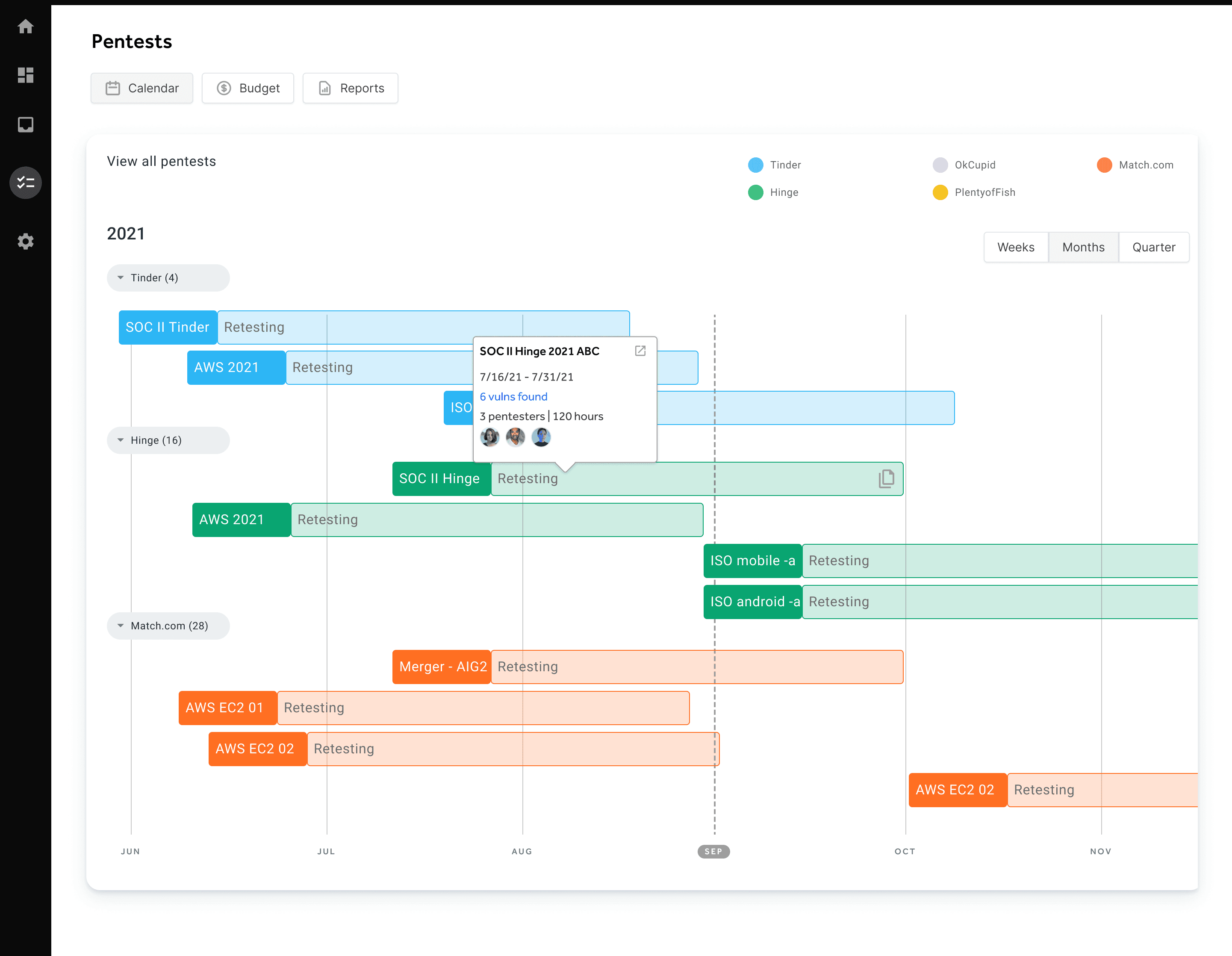
Problem: One of our main archetype's pain points was the ability to plan and schedule their testing for the whole year.
Solution: We explored a calendar view and got confirmation that this had huge correlation to stickiness year over year.

Problem: One of our main archetype's pain points was the ability to plan and schedule their testing for the whole year.
Solution: We explored a calendar view and got confirmation that this had huge correlation to stickiness year over year.

FEATURE 3

FEATURE 3

Faster pricing

Faster pricing approval

Problem: Our sales team needed to get to a price faster. I did follow-alongs and watched their painstakingly manual process.

Solution: We created an algorithm to price over 75% of opportunities automatically, kicking the other 25% to a human. The future is customers choosing their own package!

Opportunity 2 - Increase Sales

How might we optimize our pricing model to reduce buyer confusion, increase revenue, and increase ARR?

Spoiler: We changed our pricing model 3 times in 2 years and product updated full buying flows to support.

Spoiler: We changed our pricing model 3 times in 2 years and product updated full buying flows to support.

No matter how well we tried to visualize & explain our pricing model, it was just too confusing to explain to customers, which was not only creating buyer friction, but it turned out we had reverse economies of scale.

The finance team came back to us with a new pricing model and we got to work supporting it. I led the ideation, design, and execution of changing our product's onboarding to address this changes, for both sides of our 2-sided marketplace. This meant prioritizing new journeys and exploring new UI to show subscriptions in product.
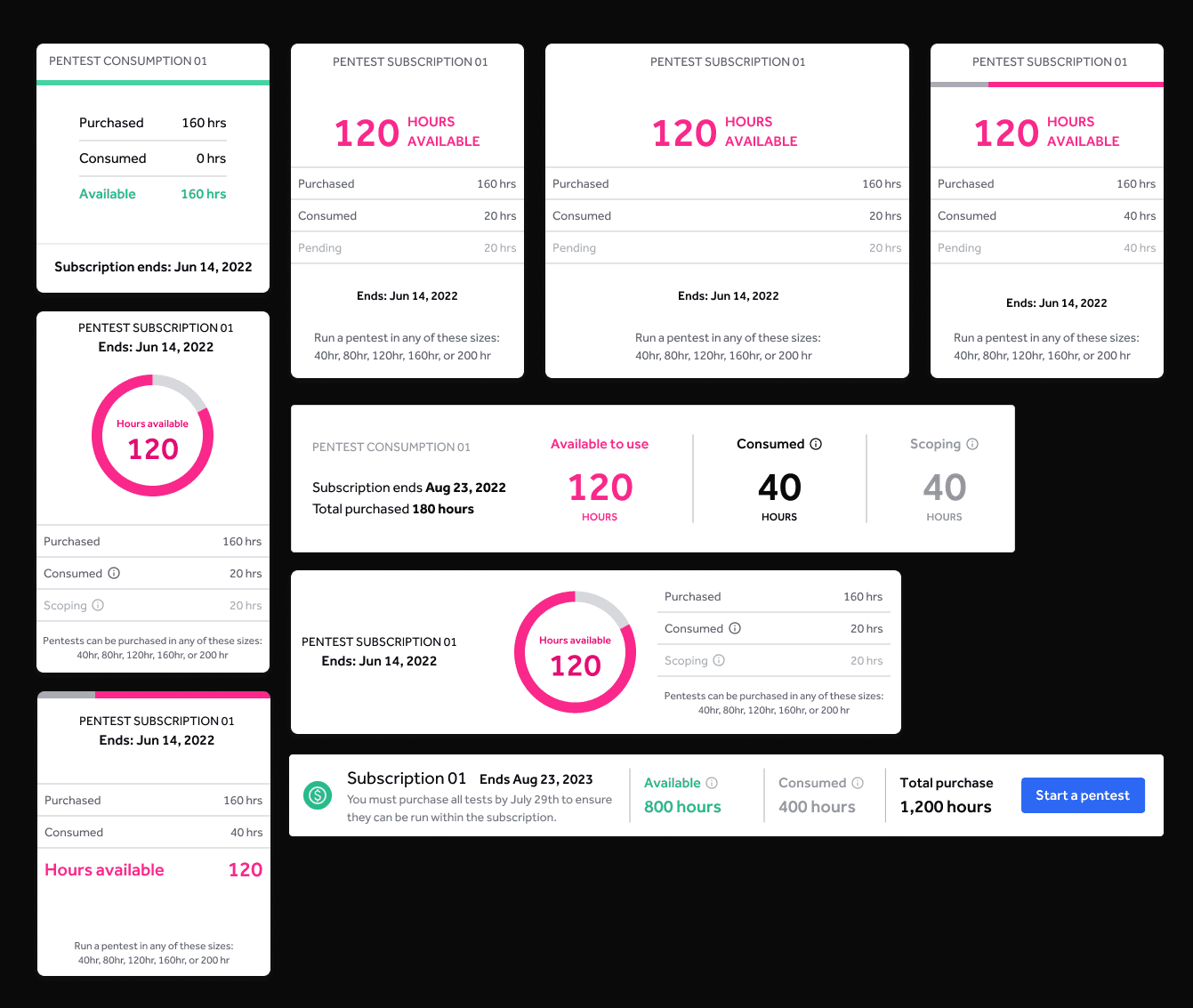
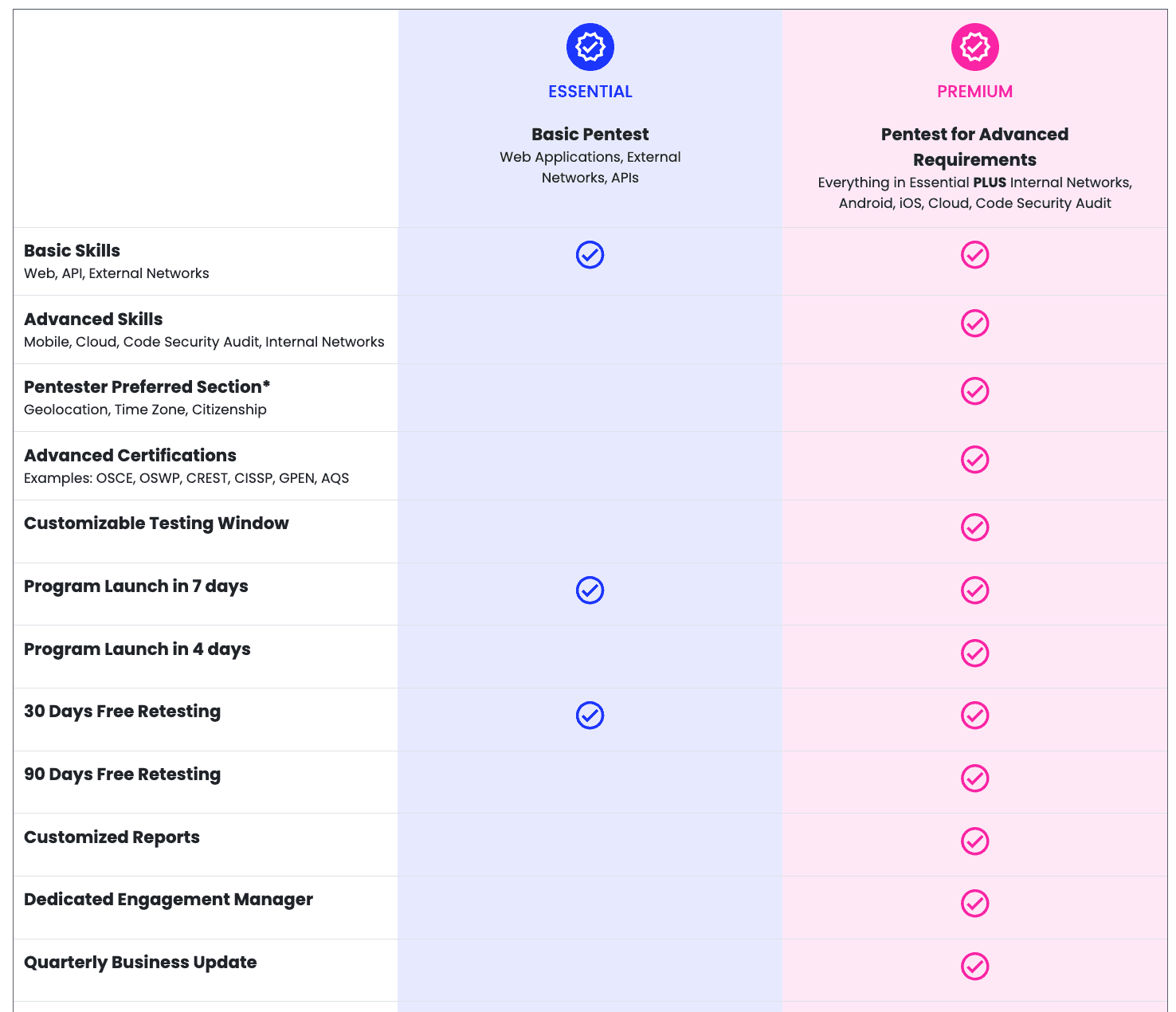
Later we realized that out of all of our sales-lost deals, the majority of them were lost on price. The finance team decided we needed to offer a lower tier. We got to work ideating on which features should go into which tier and supporting that work in product.
Opportunity 3 - Innovate

Live in the future with me

I'm always working on 3 horizons - today, tomorrow, and ideal future state. I absolutely love bringing SMEs' visions to life with future looking UI and prototypes.

I'm always working on 3 horizons - today, tomorrow, and ideal future state. I absolutely love bringing SMEs' visions to life with future looking UI and prototypes.

At one point, we thought that authentication for prospective customers might be needed in order to allow them to see more value before paying. This prototyped proved to stakeholders that we could create a frictionless login flow that would allow us to store more data for pre-sales customers. It because a spark towards product-led growth conversations!

At one point, we thought that authentication for prospective customers might be needed in order to allow them to see more value before paying. This prototyped proved to stakeholders that we could create a frictionless login flow that would allow us to store more data for pre-sales customers. It because a spark towards product-led growth conversations!

Throughout the past year we've discussed various version of a simplified scoping path, where we don't need to ask as many questions per asset. What would that look like? Does it test well?

Throughout the past year we've discussed various version of a simplified scoping path, where we don't need to ask as many questions per asset. What would that look like? Does it test well?

Customers are confused by some of the questions. No matter how much we iterate on explanations, there's always wrong answers. What if we used Ai to help answer the FAQS?

Customers are confused by some of the questions. No matter how much we iterate on explanations, there's always wrong answers. What if we used Ai to help answer the FAQS?

Results & Learnings

Each story and feature was tightly tracked. Some top metrics were:
Time to scope: Went from untracked, to median of 2 days to 10 minutes
Time to close a deal: Untracked, to median 3 weeks to 5 business days
Scoping accuracy: Untracked, to 72% (still work to do!)
Purchase drop-off full funnel: From 97% to ~60%

I learned a lot about how to align opposing stakeholders that might have different priorities. By sharing a vision, so you can say, 'not yet' instead of 'never' goes a long way.

I learned that it's always faster to bring lead engineers along in 30% of the research, so they're aware of what's coming and can build with the future in mind.